Identification of cellular inhibitors in opposition to Chikungunya virus replication by a cDNA expression cloning blended with MinION sequencing
cDNA expression cloning has been confirmed to be a powerful technique throughout the search for cellular components that administration virus replication. On this look at, cDNA library screening using a pool of cDNA derived from interferon-treated human cells was blended with the MinION sequencer to determine cellular genes inhibiting Chikungunya virus (CHIKV) replication.
Downside an an infection of CHIKV to Vero cells transduced with the cDNA library produced virus-resistant cells. Then, the MinION sequence of cDNAs extracted from the surviving cells revealed that the open finding out frames of TOM7, S100A16, N-terminally truncated kind of ECI1 (ECI1ΔN59), and RPL29 have been inserted in a number of the cells.
Importantly, the transient expression of TOM7, S100A16, and ECI1ΔN59 was found to inhibit the replication of CHIKV in Huh7 cells, indicating that these cellular components have been doubtlessly anti-CHIKV molecules.
Thus, our look at demonstrated that cDNA expression cloning blended with the MinION sequencer allowed a quick and full detection of cellular inhibitors in opposition to CHIKV.
Description: A polyclonal antibody against XPO6. Recognizes XPO6 from Human. This antibody is Unconjugated. Tested in the following application: ELISA, IHC; Recommended dilution: IHC:1:20-1:200
Description: A polyclonal antibody against XPO6. Recognizes XPO6 from Human, Mouse, Rat. This antibody is Unconjugated. Tested in the following application: ELISA, IHC
Identification of a novel KIR3DL3*064 allele by cDNA cloning and sequencing
Aim: To report on a novel KIR3DL3 allele acknowledged in a southern Han Chinese language language explicit particular person.
Methods: Peripheral blood sample was collected from a voluntary blood donor with inconclusive final result by KIR3DL3 sequence-based typing (SBT). Complete mRNA was extracted and subjected to reverse transcription to amass KIR3DL3 cDNA, which was then amplified by PCR with a pair of KIR3DL3-specific primers. The product was subjected to cDNA cloning and sequencing.
Outcomes: cDNA cloning and sequencing have acknowledged a wide-type KIR3DL3*00802 allele and a novel KIR3DL3*064 allele. The latter differed from KIR3DL3*00601 by a missense variant at codon 374[c.1184 C>T (p.Thr374Ile)] in exon 9. The novel KIR3DL3 allele has been formally assigned by the KIR subcommittee of World Properly being Group Nomenclature Committee for components of HLA system.
Conclusion: cDNA cloning and sequencing is also used to inform aside inconclusive ends in KIR3DL3 SBT with a function to determine novel KIR alleles.
Apple Russet Ring and Apple Inexperienced Crinkle Sicknesses: Achievement of Koch’s Postulates by Virome Analysis, Amplification of Full-Dimension cDNA of Viral Genomes, in vitro Transcription of Infectious Viral RNAs, and Duplicate of Indicators on Fruits of Apple Bushes Inoculated With Viral RNAs
Apple russet ring and apple inexperienced crinkle are graft-transmitted sicknesses first reported larger than 60 years previously, nevertheless at present, no affiliation between a specific virus (variant) and the sickness has been clearly demonstrated.
On this look at, we carried out the subsequent assortment of experiments to determine the causal viruses (variants) of these apple sicknesses; (1) full analysis by next-generation sequencing of all viruses in each apple tree affected with russet ring or inexperienced crinkle sickness,
(2) amplification of full-length genomic cDNA of viruses using primers containing the T3 promoter and the in vitro transcription of infectious viral RNAs, (3) inoculation of viral RNA transcripts to every herbaceous and apple crops, (4) analysis of sequence variants of viruses present in contaminated crops, (5) back-inoculation of sequence variants of candidate viruses to apple seedlings blended with the virus-induced flowering know-how using the apple latent spherical virus vector to breed the symptom on the fruit as shortly as doable, and
(6) duplicate of indicators on the fruits of apple timber inoculated with sequence variants and the re-isolation of each virus variant from apples exhibiting fruit indicators.
The outcomes confirmed that one in all many sequence variants of the apple chlorotic leaf spot virus causes a attribute ring-shaped rust on the fruits of contaminated apple timber and {{that a}} sequence variant of the apple stem pitting virus possibly causes inexperienced crinkle indicators on an contaminated apple fruit.
Thus, we’ve got been able to fulfill Koch’s postulates to point out the viral etiology of every the apple russet ring and inexperienced crinkle sicknesses. We moreover recommend an experimental system which will present whether or not or not a virus current in diseased tissues is the pathogen accountable for the sicknesses when the etiology is undetermined.
Lenti ORF clone of Pltp (mGFP-tagged) - Mouse phospholipid transfer protein (Pltp)
The Intra-assay Precision is determined when 3 samples with low, middle and high level of Rat Phospholipid Transfer Protein (PLTP) were tested on 3 different plates, 8 replicates in each plate
Description: This is Double-antibody Sandwich Enzyme-linked immunosorbent assay for detection of Rat Phospholipid Transfer Protein (PLTP) in serum, plasma, tissue homogenates and other biological fluids.
Rat Phospholipid Transfer Protein (PLTP) ELISA Kit
Known also as Phospholipid Transfer Protein elisa. Alternative names of the recognized antigen: Lipid transfer protein II
Description: Enzyme-linked immunosorbent assay based on the Double-antibody Sandwich method for detection of Rat Phospholipid Transfer Protein (PLTP) in samples from Serum, plasma, tissue homogenates and other biological fluids with no significant corss-reactivity with analogues from other species.
Human Phospholipid Transfer Protein (PLTP) ELISA Kit
The Intra-assay Precision is determined when 3 samples with low, middle and high level of Human Phospholipid Transfer Protein (PLTP) were tested on 3 different plates, 8 replicates in each plate
Description: This is Double-antibody Sandwich Enzyme-linked immunosorbent assay for detection of Human Phospholipid Transfer Protein (PLTP) in serum, plasma, tissue homogenates and other biological fluids.
Human Phospholipid Transfer Protein (PLTP) ELISA Kit
Known also as Phospholipid Transfer Protein elisa. Alternative names of the recognized antigen: Lipid transfer protein II
Description: Enzyme-linked immunosorbent assay based on the Double-antibody Sandwich method for detection of Human Phospholipid Transfer Protein (PLTP) in samples from Serum, plasma, tissue homogenates and other biological fluids with no significant corss-reactivity with analogues from other species.
Mouse Phospholipid Transfer Protein (PLTP) ELISA Kit
The Intra-assay Precision is determined when 3 samples with low, middle and high level of Mouse Phospholipid Transfer Protein (PLTP) were tested on 3 different plates, 8 replicates in each plate
Description: This is Double-antibody Sandwich Enzyme-linked immunosorbent assay for detection of Mouse Phospholipid Transfer Protein (PLTP) in serum, plasma and other biological fluids.
Mouse Phospholipid Transfer Protein (PLTP) ELISA Kit
Known also as Phospholipid Transfer Protein elisa. Alternative names of the recognized antigen: Lipid transfer protein II
Description: Enzyme-linked immunosorbent assay based on the Double-antibody Sandwich method for detection of Mouse Phospholipid Transfer Protein (PLTP) in samples from Serum, plasma and other biological fluids with no significant corss-reactivity with analogues from other species.
Polyclonal Antibody to Phospholipid Transfer Protein (PLTP)
Description: A Monoclonal antibody against Human PLTP (monoclonal) (M01). The antibodies are raised in mouse and are from clone 2F3-G4. This antibody is applicable in WB and IHC
Phospholipid Transfer Protein (PLTP) Polyclonal Antibody (Rat), Biotinylated

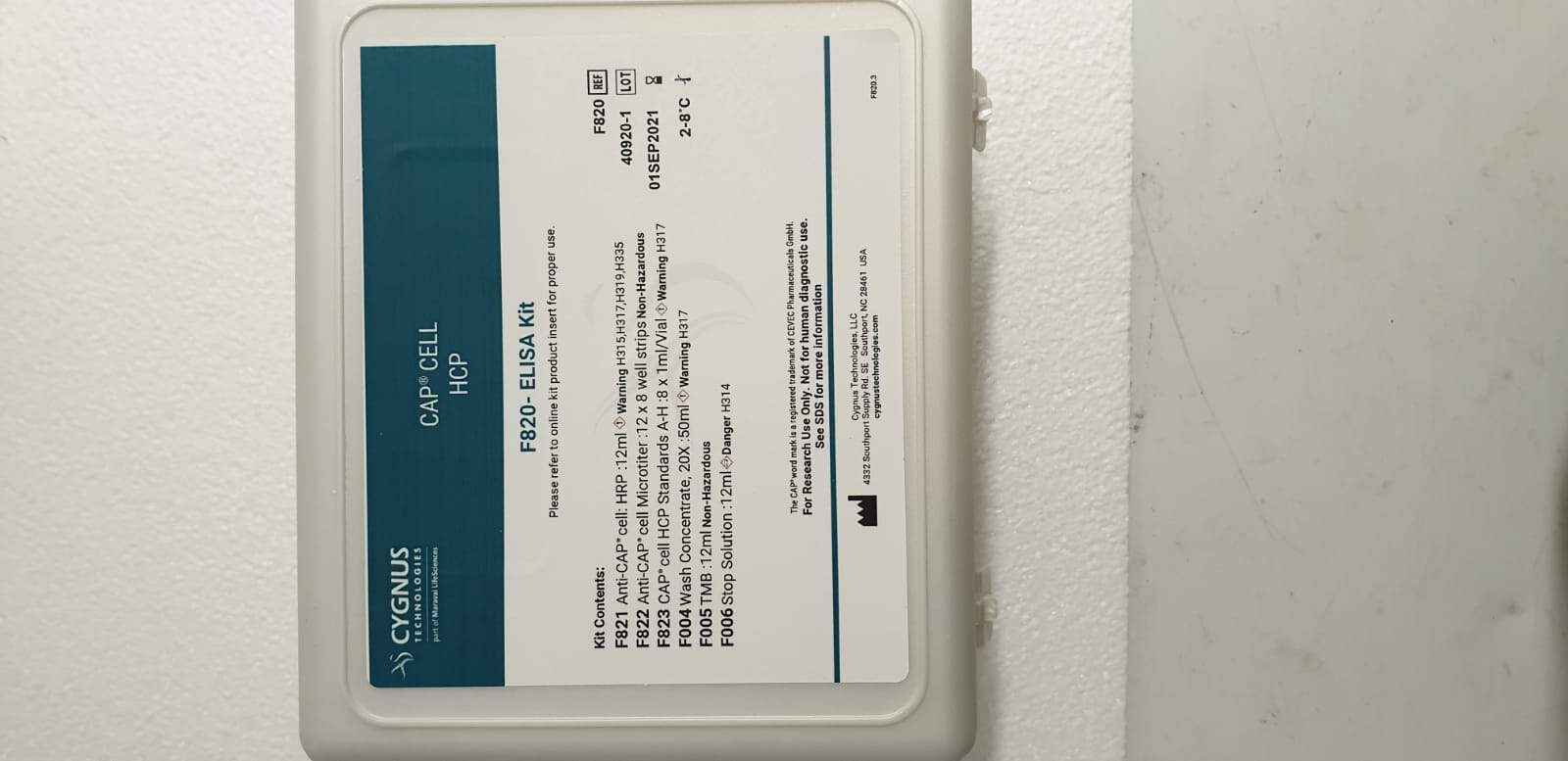
 by





)
 - Mouse exportin 6 (Xpo6))
 - Mouse exportin 6 (Xpo6))
 - Rat exportin 6 (Xpo6), (10 ug))
 - Rat exportin 6 (Xpo6), (10 ug))
, mGFP tagged)

 for miRNA target validation)
, Myc-DDK-tagged)

-Human exportin 6 (XPO6))
 - Human exportin 6 (XPO6))
 - Mouse exportin 6 (Xpo6), (10ug))






















 - Mouse phospholipid transfer protein (Pltp)) Lenti ORF clone of Pltp (mGFP-tagged) - Mouse phospholipid transfer protein (Pltp)
) Recombinant Phospholipid Transfer Protein (PLTP)
 - Mouse phospholipid transfer protein (Pltp)) Lenti ORF clone of Pltp (Myc-DDK-tagged) - Mouse phospholipid transfer protein (Pltp)
) ELISA Kit for Phospholipid Transfer Protein (PLTP)
 ELISA Kit) Rat Phospholipid Transfer Protein (PLTP) ELISA Kit
 ELISA Kit) Human Phospholipid Transfer Protein (PLTP) ELISA Kit
 ELISA Kit) Mouse Phospholipid Transfer Protein (PLTP) ELISA Kit
) Polyclonal Antibody to Phospholipid Transfer Protein (PLTP)
 Polyclonal Antibody (Rat)) Phospholipid Transfer Protein (PLTP) Polyclonal Antibody (Rat)
 Polyclonal Antibody (Mouse)) Phospholipid Transfer Protein (PLTP) Polyclonal Antibody (Mouse)
 Polyclonal Antibody (Rat), PE) Phospholipid Transfer Protein (PLTP) Polyclonal Antibody (Rat), PE
 Polyclonal Antibody (Rat), APC) Phospholipid Transfer Protein (PLTP) Polyclonal Antibody (Rat), APC
 Polyclonal Antibody (Rat), Cy3) Phospholipid Transfer Protein (PLTP) Polyclonal Antibody (Rat), Cy3
 Polyclonal Antibody (Rat), HRP) Phospholipid Transfer Protein (PLTP) Polyclonal Antibody (Rat), HRP
 Polyclonal Antibody (Mouse), APC) Phospholipid Transfer Protein (PLTP) Polyclonal Antibody (Mouse), APC
 Polyclonal Antibody (Mouse), Cy3) Phospholipid Transfer Protein (PLTP) Polyclonal Antibody (Mouse), Cy3
 Polyclonal Antibody (Mouse), HRP) Phospholipid Transfer Protein (PLTP) Polyclonal Antibody (Mouse), HRP
 Polyclonal Antibody (Mouse), PE) Phospholipid Transfer Protein (PLTP) Polyclonal Antibody (Mouse), PE
 Polyclonal Antibody (Rat), FITC) Phospholipid Transfer Protein (PLTP) Polyclonal Antibody (Rat), FITC
 Polyclonal Antibody (Mouse), FITC) Phospholipid Transfer Protein (PLTP) Polyclonal Antibody (Mouse), FITC
 (M01), Clone: 2F3-G4) Monoclonal PLTP Antibody (monoclonal) (M01), Clone: 2F3-G4
 Polyclonal Antibody (Rat), Biotinylated) Phospholipid Transfer Protein (PLTP) Polyclonal Antibody (Rat), Biotinylated
 Polyclonal Antibody (Mouse), Biotinylated) Phospholipid Transfer Protein (PLTP) Polyclonal Antibody (Mouse), Biotinylated
 Polyclonal Antibody (Rat), APC-Cy7) Phospholipid Transfer Protein (PLTP) Polyclonal Antibody (Rat), APC-Cy7
 Polyclonal Antibody (Mouse), APC-Cy7) Phospholipid Transfer Protein (PLTP) Polyclonal Antibody (Mouse), APC-Cy7
 PLTP cloning plasmid
 AK7 cDNA Clone
 MVP cDNA Clone
 GLA cDNA Clone
 ZFY cDNA Clone
 FAH cDNA Clone
 CD7 cDNA Clone
 DTL cDNA Clone
 AMT cDNA Clone
 LBH cDNA Clone
 HPX cDNA Clone
 ARC cDNA Clone
 MPZ cDNA Clone
 EGF cDNA Clone
 FTL cDNA Clone
 OS9 cDNA Clone
 CPZ cDNA Clone
 ECD cDNA Clone
 NCL cDNA Clone
 JTB cDNA Clone
 MAK cDNA Clone
 GH2 cDNA Clone
 TAZ cDNA Clone
 CDA cDNA Clone
 PIP cDNA Clone
 ATM cDNA Clone
 FGG cDNA Clone
 ADK cDNA Clone
 EDA cDNA Clone
 HPN cDNA Clone
 FYB cDNA Clone
 NDN cDNA Clone
 SHD cDNA Clone
 EBP cDNA Clone
 SLK cDNA Clone
 DMD cDNA Clone
 UBB cDNA Clone
 GDA cDNA Clone
 IL7 cDNA Clone
 MX1 cDNA Clone
 HYI cDNA Clone


